


Authored by Heather Smith – Owner/Operator of Step by Step Training
If you’ve ever wished there was a user manual for people – including yourself – you’ll be pleased to know there is something that comes close. It’s called Emotional Intelligence (EQ). Unlike IQ, it can be developed throughout your life. The idea of ‘social intelligence’ has been around for over 100 years. More recent research has revealed that when a person demonstrates effective Emotional Intelligence they are more likely to succeed. This applies not only at work, but in all aspects of their life.
Psychologist and science journalist Daniel Goleman brought the concept of Emotional Intelligence into the mainstream with his 1995 book Emotional Intelligence. Goleman describes EQ or EI as a set of skills that help us understand and manage our emotions. Helps us to recognise emotions in others, and build healthy relationships. His model includes self-awareness, self-regulation, motivation, empathy and social skills.
This is Part 1 of two articles and in it I am focussing on the self-awareness, and self-regulation aspects of EQ.
The good news? Every one of these skills can grow with practice.
We can all improve our Emotional Intelligence!

Like any successful garden, Emotional Intelligence starts with preparing the soil. The first two building blocks are self-awareness and self-regulation.
1. Self-Awareness – Knowing What’s Growing
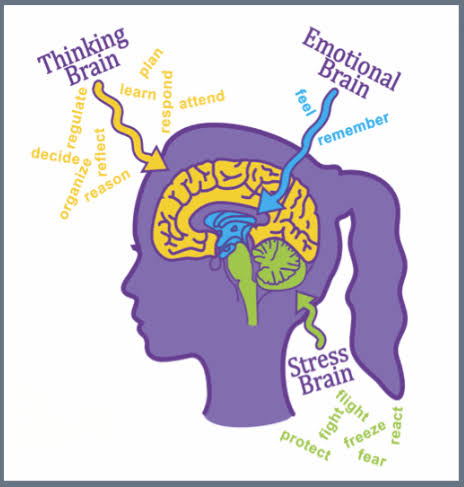
Self-awareness begins by recognising what you’re feeling and understanding why you’re feeling that way. It sounds easy, but many of us race through our day without checking in with ourselves. We often forget that our response to situations is actually from our ‘fight, flight, freeze’ response. Not from a more reasoned approach. Identifying this first enables us to slow down, and regain the power of our thoughts and behaviours.
The next step within self-awareness, is the ability to accept responsibility for your emotions and moods. You also need to be willing to learn and grow to improve yourself. Jocko Willink in his book Extreme Ownership talks in detail around this, and it is a great book to read, or enjoy via audible if you want to begin the journey towards better self-awareness.

Have you ever snapped at someone only to realise later you were actually tired or stressed? – That’s a lack of self-awareness at work. It’s a skill most of us can improve on. And Yes, You CAN do it!
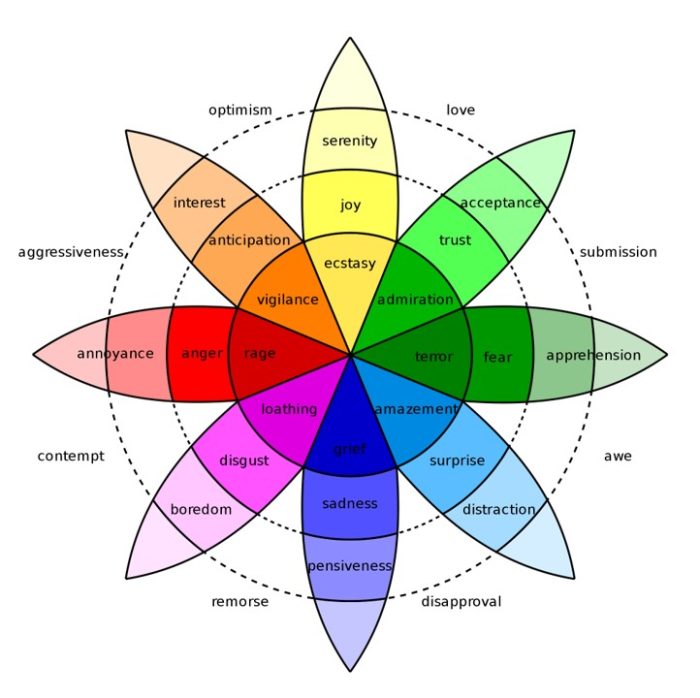
Unfortunately, there are many different emotions and moods that people experience. Our vocabulary describing these is often limited. Learning to identify many more words can be a first step in becoming more self-aware.
You CAN learn the skills, you just need to be willing
Developing this skill allows us to notice our emotional “weather report” before it becomes someone else’s storm. When we understand our emotional triggers, we make better decisions. We communicate more effectively and respond rather than react. Sometimes what we perceive as ‘Anger’ or ‘Fatigue’ might in fact be that we are hungry. Or we might be physically dehydrated.
The term ‘Hangry’ is a popular expression and it actually means that we are hungry, and thirsty and therefore we feel angry. Being aware of this is the first step towards growing your own emotional intelligence.
2. Self-Regulation – Pruning Before Things Get Out of Control
Once we recognise our emotions, the next step is learning how to manage them. Self-regulation isn’t about bottling emotions up or pretending everything is fine. It’s rather about choosing how to express emotions in a healthy and constructive way. It’s also about learning skills to regulate our emotions. This way we can remain balanced and in a problem-solving space.
People who are unable to regulate their emotions are often inconsistent. Difficult and can leave people around them often juggling their own behaviours. Leaving them with a feeling like ‘walking on egg-shells’ or feeling gas-lit.
We’ve all experienced ‘That’ Boss…
I remember once having a boss that staff would walk past each morning and ‘judge’ what mood they were in. This was gauged depending on their appearance, greeting or facial expressions. It often meant that staff made decisions about how to approach (or not) the boss. Whether this person was having a ‘bad’ day. Staff would often find excuses to steer clear of them, or simply find out-of-office tasks to complete instead of being around the potential fall-out.
This made our work atmosphere and the whole tone of the office a challenge. It led to safety issues both physically and psychologically and it meant that this ‘boss’ is NOT demonstrating good Emotional Intelligence. Or indeed, the qualities that would enable a company to survive and thrive.
Increased staff turnover because of this was definitely a problem.

Everyone has a responsibility to learn to develop Emotional Intelligence Basics. It means workplaces become places where conflict is resolved effectively, problems are flagged early, and people feel comfortable and supported consistently.
Think of Self-Regulation as pruning a plant. A little trimming keeps everything healthy and encourages better growth. Likewise, pausing before firing off an email, taking a breath during a difficult conversation or choosing to walk away for a few minutes can prevent unnecessary conflict.
People who regulate their emotions well are often viewed as calm, trustworthy and resilient. These qualities are highly valued both at work and at home.
Trust is the key, and calm self-regulation can go a long way towards building this essential feeling across relationships.

So Why Does EQ Matter?
We often forget that our moods, emotions and behaviours can have a massive ripple effect on others, and therefore learning to be aware of and regulate these things can dramatically improve not only our own wellbeing, but that of those who come in contact with us. Our Friends, Our Family, Our Colleagues and our Managers.
Research consistently shows that Emotional Intelligence contributes to stronger leadership, better teamwork, improved communication and healthier relationships. Goleman argues that while technical skills and knowledge matter, Emotional Intelligence is often what separates OK performers from exceptional ones.
People who vent their feelings, and do not regulate themselves are actually more at risk of cardiovascular disease and stress related issues.

In the workplace, higher EQ can lead to greater collaboration, reduced conflict and better decision-making. In our personal lives, it helps us communicate more openly, strengthen friendships, support our families and navigate life’s inevitable challenges with greater confidence. It creates an atmosphere of trust, safety and consistency.
Mental Wellbeing is also strongly linked to positive Emotional Intelligence. If you want to feel better about yourself, about others and about your life, learning and applying the principles of EQ can be an easy non-medical way that can enable you to take responsibility for yourself.
Anyone Can learn and Build their Emotional Intelligence
It’s not rocket science. In fact, many rocket scientists may struggle with EQ. Preferring to work with machines than the unpredictability of people.
It is important to realise that only YOU can develop your own EQ. You cannot force others to behave in Emotionally Intelligent ways. You CAN however, modify your response and reactions to these challenges. This will help you build resilience if you face conflict, and also create ways to respond more positively. Helping reduce a reaction out of the adrenaline response.
When we are operating without self-awareness, or regulation we are operating in a state of heightened adrenaline and cortisol arousal. Our problem-solving abilities often cease. We respond from a place of ‘Fight, Flight, or Freeze’ . If we are in this stage for too long, it often leads to long-term stress, anxiety and burnout. There are some simple things you can do to help re-centre yourself. This will further develop your ability to reduce the adrenal response. Building your Emotional Intelligence and Resilience.
Recognising Emotions
Several times each day, stop for a moment and ask yourself: “What am I feeling right now?” Simply naming the emotion. Whether it’s frustration, excitement, disappointment or gratitude. This helps to activate the thinking part of the brain and reduces emotional reactivity.
Use a diagram or vocabulary builder to learn new descriptive words around emotions.
Think about your mood, and whether you might in fact need to eat something or have a drink of water. This can all help you to recognise your emotions.
Bearing in mind, you may have an emotional response due to a trigger around others behaviour. Taking a moment to pause, and realise this is the first step towards self-awareness. It helps you to regulate your responses appropriately.
Practice Pausing BEFORE You Respond
Before replying to a difficult email, message or conversation, take one slow breath and count to five.
Those few seconds create space for thoughtful responses instead of impulsive reactions.
It may be best to draft a response and then take a break, stretch your legs by taking a quick walk, have a glass of water. Perhaps, wait even a few hours, or sleep on it before you respond.
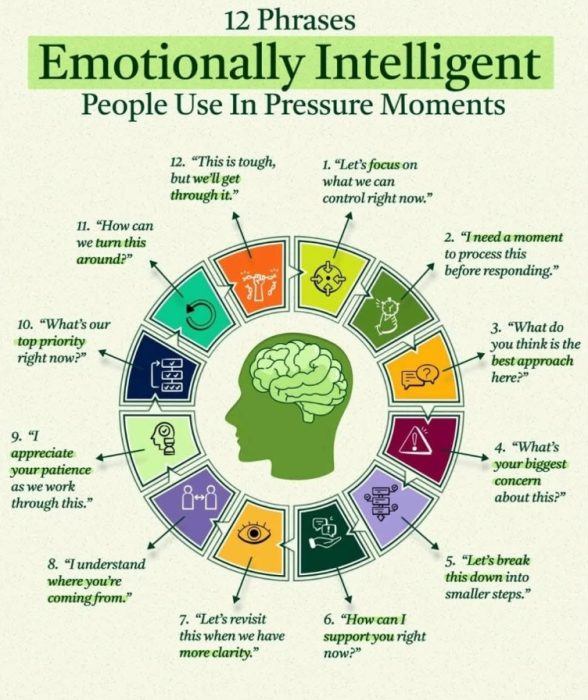
If it is something requiring an urgent response, there are some key words you can use to acknowledge and slow down pressure moments.
Emotional Intelligence CAN be learned
Growing Emotional Intelligence doesn’t happen overnight, but like tending a garden, small, consistent actions produce lasting results. With greater self-awareness and self-regulation, you’ll cultivate healthier relationships, stronger resilience and a calmer, more fulfilling life – one thoughtful response at a time.