

Authored by Heather Smith of Step by Step Training – Toowoomba Queensland
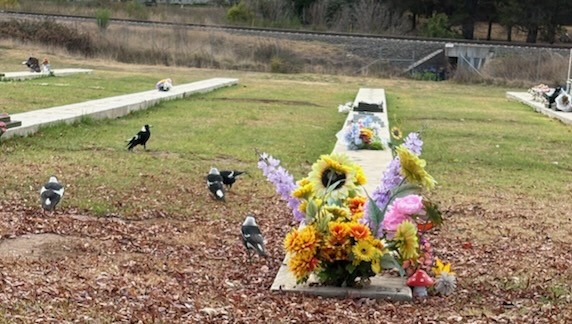
The murder of a beloved family member or friend through domestic violence (DV) leaves a wound that is difficult to describe. It is not just grief. It is shock, rage, confusion, guilt, and a deep sense that the world has shifted permanently. Families and friends often feel as though a hole has opened in the middle of their lives — a place where laughter, warmth and love once lived.
I never thought I would have to live through this experience, but now I remember my dear friend everyday as I struggle to come to terms with what happened. I am sure I am not alone.
In Australia, domestic and family violence continues to devastate families and communities. Too many women and children are damaged every year. One woman dies every 9 days in Australia due to DV. This statistic is so staggering, it almost defies belief. Many people such as Police and Emergency Departments are outspoken about the fact that it is getting worse.
Many people struggle not only with the loss of someone dear, but with the unbearable knowledge that the death could have been preventable. The grief that follows is complicated, and the emotions that arise can be overwhelming. I wonder every day if I could have done more.
Overwhelming Anger is a Common Feeling
I am angry, no worse than angry, furious, that the perpetrator, tried to hide his crime by trying to make it look like suicide. He even tried to portray himself to Police as a ‘victim’ that he had no choice. This too is a common occurrence and leaves the Police in a difficult position. The REAL victim is dead and therefore no longer has a voice.
When someone we love is killed by a partner or former partner, the sadness is often tangled with anger, guilt, confusion, and helplessness. Families and friends are left trying to understand how something so horrific could happen, while carrying the unbearable weight of knowing the death may have been preventable. In researching this post I learned that the most dangerous time for the women is when they are either preparing to leave, or have left. This is the time when they are most at risk of being killed.
Unfortunately, this is exactly what happened with my friend. She had left, she had started to rebuild her life. A life stolen from her due to his inability to let her go. He could not let her be happy. Whatever threats, lies and violence he used to lure her resulted in her death. He is now in remand custody, and I am hopeful that justice for my friend’s death will be served.
Anger is Normal and it needs to be channelled
I know many of us experience anger – anger at the perpetrator, anger at the justice system, angry that the warning signs that may have been missed. Sometimes we are even angry at the person who died. Unfortunately, alongside that anger comes guilt. Guilt that we question could we have done more? Words spoken in anger, or simply guilty that we will never have the chance to see them again and tell them how much they mean to us. We often wonder “Why didn’t I see how bad it was?” and this becomes a painful question that echoes long after the funeral.
Anger is a completely normal emotion, the toxic cloud the perpetrators try to spread is truly horrid. However, all these thoughts are unhelpful if they become all consuming. Anger needs an outlet, and a way to re-set it towards positively remembering the wonderful women lost to domestic violence. We must remind ourselves everyday of the contribution they made to life when they were with us.
Grief is More About Learning to Live after the Loss
For those grieving a domestic violence homicide, healing is not about “moving on.” It is about learning to carry the loss while allowing ourselves to live again. Practical support is really important.. Counselling, support groups, journaling, exercise, community connection, and simply speaking the name of the person you lost can help. There is no replacing someone who has been stolen. The goal of healing is not to “move on” but to learn how to carry their memory forward.
Everyday Simple Things to look after yourself
It is vital that despite the grief you try to do some simple things to look after yourself. Eating a balanced diet, and getting sleep is essential. Drinking water to stay hydrated and being kind to yourself by giving yourself permission to laugh can be useful self-talk techniques.
It can be easy to forget the simple day to day tasks like showering, cleaning teeth, and even getting some sunshine and fresh air. Remind yourself and take time to do these things.
A daily walk or exercise can also help you to stay healthy. Start small and take it one day at a time. One hour at a time, or one moment at a time if you need to. Use these everyday tasks as a way to change focus on the negative. It does not mean you have forgotten your grief or the person you have lost.
Ways to channel the Anger
Anger also needs somewhere safe to go. Some people channel it into advocacy, fundraising, volunteering, or education to help protect others.
- Counselling can help to understand the feelings you are experiencing and work through the anger, guilt and emptiness left behind.
- Keeping a Journal or Diary can be a way of exploring your feelings and remembering the person you have lost.
- Connect with community. If this is a church group, craft group, singing group, or walking group. Ensure you stay connected to others, as it means your grief is not an island, but rather a bridge.
- Share the stories of the person to keep their spirit alive in your heart. Don’t be afraid to cry, and remember them. Create a visual picture, or memorial area somewhere you can go and remember them.
- Channel anger into something positive around Domestic Violence – advocacy, fundraising, volunteering, or education to help protect others.
For my friend, she was a joy to be around when she was alive. She loved to laugh, adored her two dogs, and adult children. She was a hard-working and dedicated horticulturalist at Withcott Seedlings and participated in the Annual Carnival of Flowers Parade as part of the Oakey Chamber of Commerce. Her life was fruitful, and active.
Advocate for Local Organisations around Domestic Violence
Two organisations in Toowoomba who can be of assistance are:
Protea Place – Women’s Support Centre, and
Domestic Violence Action Centre.
For me, in 2026, I have chosen to create a memorial garden and dedicate my The Chronicle Garden Competition entry to my dear friend stolen by domestic violence. I have chosen sunflowers as one of the main flowers, as this symbolises joy, happiness and are anxiety and stress reducing. They were the flowers chosen at her funeral on top of her coffin and grave. I am also advocating for victim/survivors by raising money for Protea Place during this event in September. She may no longer have a voice, but we who remain can help her voice to be heard and remembered.
The Questions That Haunt Us – Why didn’t she just leave?
Leaving an abusive relationship is often the most dangerous time for a victim. Many perpetrators use coercive control, threats, intimidation, financial abuse, stalking, isolation, and violence to trap their partners. Victim-survivors may fear for their own lives, their children’s safety, their pets, their finances, or the safety of family members. Abuse is not simply about arguments or “bad relationships” – it is about power and control.
Many victims return not because they are weak – but because they are trying to protect others they love.
They are often told:
- The violence will stop if they stay.
- The perpetrator threatens family and friends and will only stop if they return.
- Leaving will cause the perpetrator to harm pets or the children.
- Escaping will make the abuser more dangerous.
- That the perpetrator is sorry, and they won’t do it again.
Domestic violence distorts thinking through fear and psychological control. Survivors often live in survival mode, trying to reduce harm in often impossible circumstances.
Judging their decisions after tragedy only deepens the pain for those left behind. The focus should never be on what the victim did or didn’t do.
As Australians, we need to stop placing responsibility on victims for the violence inflicted upon them. Being willing and open minded to learn about domestic violence and understanding it goes a long way. The responsibility always lies with the person who chose violence.
Questions of the Perpetrator
We all have questions we would like to ask the perpetrator, unfortunately, this can be a challenge and may never actually happen.
Questions such as:
- How could you harm someone who you claim to love?
- Why could you not let her go, and just let her be?
- What threats and lies did you tell her to lure her back?
- Did you even think about the children, parents, siblings and friends left behind?
- What made you believe control was more important than another person’s life?
These questions almost never receive honest answers. Most perpetrators lack the emotional intelligence to regulate their emotions and accept personal responsibility.
Nevertheless, asking these questions can still be part of processing grief and reclaiming a sense of truth. Writing a letter or journaling can help to process these, and also preparing a victim statement for court to read out can also be helpful in processing the grief and redirecting the anger felt around your loss.
Practical Help can help save lives
Offering transport, keeping copies of important documents, ensuring communication lines are open, creating a safety plan and regular check-ins can all help.
Caring for pets, and preparing meals, and other practical ways may also be helpful. There is an excellent website just started recently called ‘Gather My Crew‘ this is a site where practical help can be registered and coordinated for not only those escaping domestic violence, but those in need of help due to ongoing health issues.
Domestic violence leaves holes in families, friendships, and entire communities. Remembering those we have lost means more than mourning them. It means changing the conversations we have, supporting those at risk, and refusing to excuse violence in any form.
Learning about domestic violence and being aware of language and coercive control can also be powerful ways to raise awareness. Volunteering at places such as The Apiary and talking to as many people as possible about the insidious nature of domestic violence can also help.
One Step at a Time
We all grieve differently, and learn to live with the hole that these amazing women leave in our lives. It is vital that we are kind to ourselves, that we learn to understand that they were stolen from us, but we can honour their lives by remembering their unique talents and gifts.
I am also creating a short course on understanding DV and learning ways to approach victim/survivors to help them escape and plug into the professional help they need to rebuild their lives. For more information please inquire with Step by Step Training.
Remembering them always
Finally, The person who was murdered, should never be remembered only for the way they died. We left behind can honour their life, not the violence by remembering the great things shared. The laughter, the friendship, the love, the sunshine they spread. While domestic violence has stolen their future, it will never erase the impact they had on the lives of everyone around them.
I choose to continue honouring my friend by speaking her name and trying to protect others from similar harm. I refuse to let violence define her story, and her memory.
Healing from such loss does not mean forgetting what happened. It means learning how to live with grief without letting it destroy the life that remains.
There will always be sadness…
But there can also be:
- Remembrance
- Advocacy
- Love that continues beyond death
The hole left by someone we love never truly closes. Hopefully over time, it can become a place where memories grow – and where their legacy continues to shape the world.
They will never be truly gone.
For more information and other blog topics written by Heather Smith a real human, please check out this link.